
The Road to Persimmon Peak
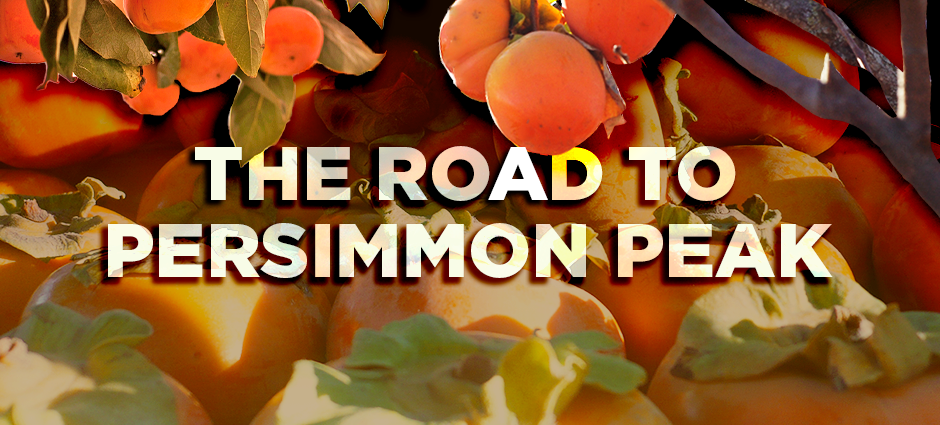
A telltale sign of fall at Bay Area farmers' markets is showing up right on schedule. Plump and glowing orange, it comes topped with a stubborn green cap. Ask most people what autumn's classic bounty looks like and they'll draw you a picture of a gorgeous pumpkin hauled from a scenic crowded patch (you can almost smell the apple cider donuts!). But before you grab the carving knife or start craving pumpkin pie, meet the true star of the season,: the persimmon, fall's sweetest hidden gem.
Japan, persimmons are the fruit of autumn, as ubiquitous as pumpkins are in the United States. Now, as the weather cools and we pull on our cozy sweaters, their orange glow is turning up on local farmers' market tables, bright and warm against the browning leaves.
Botanical Berries & Rich History
Though they look like a typical fruit, persimmons are technically classified as botanical berries because of how they grow. They blossom from a single flower ovary wall, ripening into a soft and fleshy fruit that encases seeds without a hard stone or pit. Other common fruits technically classified as botanical berries include avocados, eggplants, and bananas!
Diospyros, the botanical genus for persimmon, translates from Greek to mean food of the gods. But persimmons have plenty to offer mortals, too. Dating back to the 10th-century Heian period Japan, as recorded in the Honzō Wamyō, a pharmacological dictionary, unripe astringent persimmons were fermented to create kakishibu, a traditional natural deep amber colored dye still used in crafts today.
Persimmon oil is extracted and used as bait by hunters, trappers, and anglers for attracting wildlife and fish;, its scent alluring to many creatures, from possums, coyotes, and skunks to raccoons, foxes, and bears. Luckily for us, the fruit itself has more pleasant and appetizing uses. Think of a sweet apple with the soft, juicy texture of a tomato.
Most farmers grow two varieties, and each shines in its own way. Get to know them before you head out so each can dazzle with the full depth of its flavor.
The best way to eat heart-shaped Hachiya persimmons is once they ripen and become soft and jelly-like, almost like a water balloon. Patience is essential, because Hachiyas contain many bitter tannins until they reach full ripeness. Tannins give unripe persimmons their mouth-drying bite and are the same naturally occurring compounds found in red wine, black tea, coffee, and dark chocolate. Plants use them as a defense against insects and animals, and work by binding to the proteins in your saliva, creating a puckering sensation similar to an unripe banana. Keeping them at room temperature as they ripen, tucking the fruit in a paper bag with an apple or banana helps it ripen faster.
Your patience will pay off in the form of sweet, velvety persimmon pulp. The simplest way to enjoy Hachiya pulp is to slice off the top and spoon the custard-like flesh right out of the skin. Take it a step further by cooking the pulp down with ginger, citrus, and warm spices into a zesty glaze for roasted pork, chicken, or white fish.
The pulp also indulges your sweet tooth when baked. It’s perfectly suited to everything from cookies, including Alice Allard's Persimmon Cookies, to a pudding reminiscent of sticky date pudding, especially alongside walnuts and raisins. Blended smooth, it becomes a silky flan, a fruit tart filing, or even a vegan cheesecake layer made with silken tofu. Ripe Hachiyas have wonderful uses beyond pulping as well. Jammy Hachiya slices make a lovely twist in place of mango served over warm, sweet coconut milk sticky rice.
You can also take this tastebud journey from solid to liquid by raising a glass to persimmons. Thinly sliced and dried, a firmer persimmon makes a charming garnish for cocktails or a mug of tea.
Then there are Fuyu persimmons, the squat, tomato-shaped ones that are crunchier and non-astringent. Fuyus keep best in the fridge, where they stay fresh longer. They can be enjoyed while firm and bitten straight into like an apple, offering a honeyed sweetness. That taste and texture makes them a natural fit for tarts and pies. If you’re craving something more savory, try a new take on a Caprese salad by slicing and pairing Fuyu persimmons with fresh mozzarella, basil, and a drizzle of balsamic glaze.
Fuyus are equally at home at breakfast, simmered into steel cut oats with nuts and warming spices, or cooked down in spiced milk as the base for a morning strata or French toast. Their firmer texture wonderfully softens into thick spreads without turning runny, making them a great fit for chutneys, jams, and jellies. For a showstopping finish, Fuyus can star in an upside-down cake in place of pineapple, baked under brown sugar and honey.
Whether spooned straight from the skin, dried into drink garnishes, or baked into something warm, persimmons bring rich color and flavor to the harvest season. With their sunset incandescence and endless versatility, persimmons deserve a place right beside pumpkins this autumn.
